
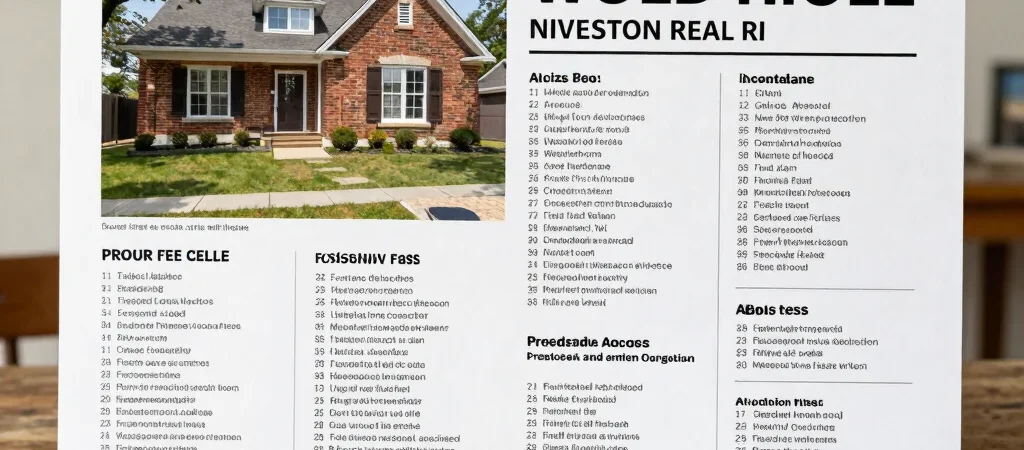
A modest price catches your eye, then the listing mentions a steep roof, an old heating system, or a kitchen that has seen several decades. That combination is common in old houses for sale, and it calls for a closer read—not an assumption that the house is either a bargain or a problem.
Start With What Is Stated
Look for specifics about the roof, foundation, plumbing, electrical service, heating, and water source. A listing that says “updated” without explaining what changed leaves more questions than one that names the work and its approximate timing. Note what the description does not answer, too.
Separate Character From Condition
Original woodwork, old windows, and a broad front porch can give a house its character, but they do not tell you whether the roof leaks or the basement takes on water. Treat original features as part of the home’s appeal, and condition notes as a separate set of facts to investigate. If photos show peeling paint or a patched ceiling, ask what is known before drawing conclusions.
Build a Useful Next-Step List
Before arranging a visit, gather the questions that would change your view of the property: which systems have been serviced, whether any work needs permits, and what areas were not photographed. A lower-priced listing can still involve significant repair costs, so leave room in your budget for professional inspections and unknowns. The asking price is a starting point; the listing details help you decide what to find out next.