
You step inside an older house and immediately notice the staircase, the light from a tall window, and the marks of many years of use. Enjoy that first impression, then slow down. A focused visit helps you remember which details you loved and which listing questions still need answers.
Check the Main Systems First
Use the listing as your guide and look at the roofline, visible foundation, heating equipment, electrical panel, and plumbing fixtures where access is available. You are not there to diagnose them; you are there to compare what you see with the condition notes and identify points to ask about. Record the answers instead of relying on memory.
Notice How the House Works
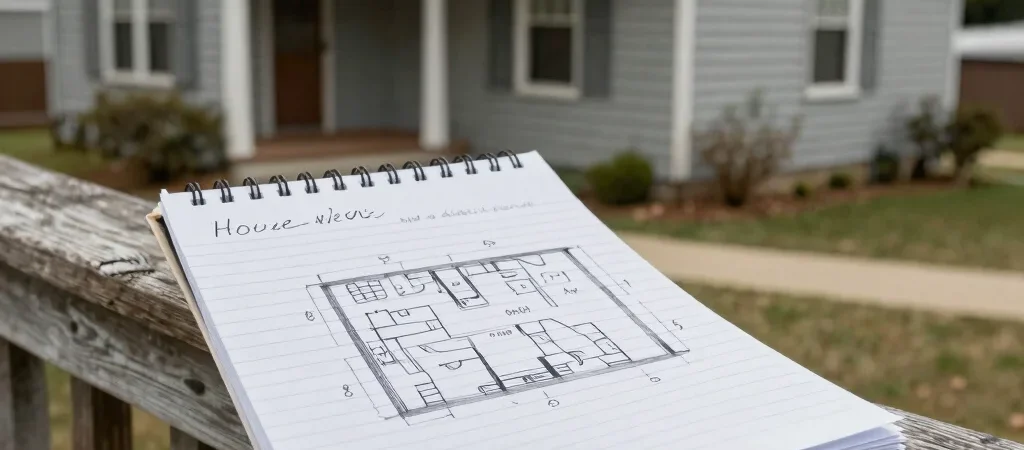
Walk the route from the entrance to the kitchen, bedrooms, and bathrooms, and pay attention to stairs, doorways, storage, and natural light. A floor plan that looks appealing in photographs may feel different in person, especially in an older home with additions or rooms arranged around a central hall. Consider the daily layout alongside the original features.
Leave With Better Questions
Before you go, note any visible water staining, soft or sloping floors, damaged masonry, or areas you could not inspect. These observations are prompts for follow-up, not proof of a specific defect. Ask the listing contact for missing details and arrange appropriate professional inspections before making a decision. A useful first visit ends with a clearer picture, not a verdict made at the front door.