
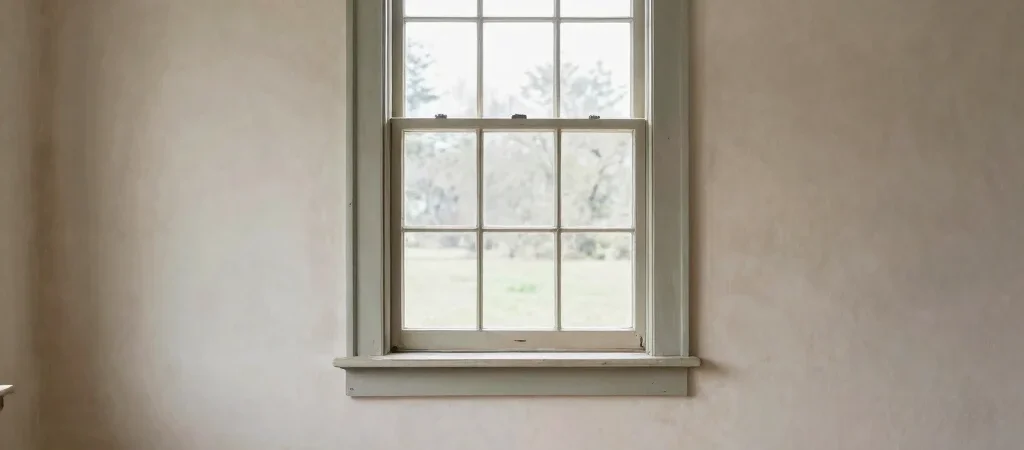
In a listing photo, a paneled door or a run of old-growth trim can make an ordinary room feel particular to its house. Those details are worth noticing, but they are clues about materials and history—not a condition report. The most useful old-house search keeps appreciation and practical questions in the same frame.
Look Closely at the Details
Photos may reveal plaster walls, wood floors, transom windows, masonry fireplaces, or built-in cupboards. Look at how these features meet the surrounding surfaces: a sharp change in flooring or a newer patch of plaster can suggest later work, though a photo alone cannot explain why it was done. Keep observations separate from guesses.
Ask What the Photos Miss
A beautiful mantel says little about the chimney’s condition, and a bright room does not show what is behind a finished basement wall. Ask for condition notes on the roof, foundation, wiring, plumbing, and heating, along with details about any renovations. If the listing does not include them, treat those points as open questions rather than filling in the blanks yourself.
Value the House on Two Tracks
First decide which original features matter to you: perhaps the entry door, the floor plan, or the way the rooms connect. Then consider the practical work the home may need and what you would want a qualified inspector to examine. Character is a good reason to keep looking; clear condition information is what helps you judge whether the house fits.